
AN INDEPENDENT GUIDE TO SHIPS, PORTS AND CARGO
Almost everything you own arrived by sea. Nobody watched it happen.
Chamber of Shipping explains the working sea one place at a time. Five stations — the bridge, the deck, the engine room, the quay, the office — and twenty-two plain-language guides to what actually happens at each.
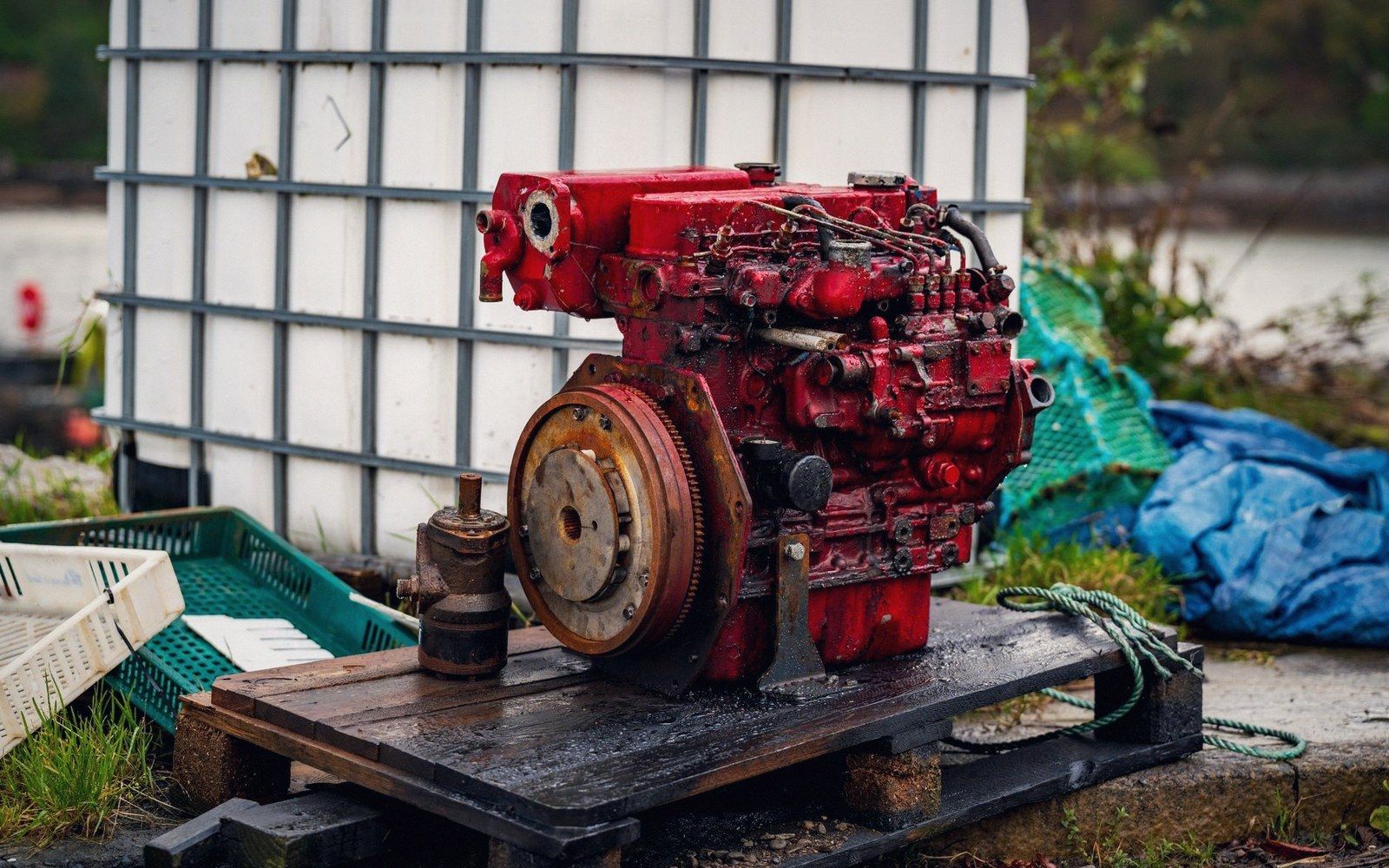
Photo: Simon R. Minshall / Pexels
PICK A PLACE TO STAND
THE BRIDGE
Navigation, watchkeeping and the decisions made from the highest room on the ship.
STAND HERE → STATION 2 OF 5THE DECK
Everything that happens in the open air — mooring, lashing, maintenance and the strange geometry of a working hull.
STAND HERE → STATION 3 OF 5THE ENGINE ROOM
The machinery spaces below the waterline — propulsion, power and why the ship smells the way it does.
STAND HERE → STATION 4 OF 5THE QUAY
Ports, terminals and the infrastructure built to turn a ship around as fast as possible.
STAND HERE → STATION 5 OF 5THE OFFICE
The paperwork, the certificates and the documents that move alongside every cargo.
STAND HERE →FLAGSHIP READ — FILED FROM THE ENGINE ROOM
The Engine That Turns at Walking Pace
The most powerful internal combustion engine ever built runs slower than a ceiling fan — and that is precisely why ocean shipping works. The long read on the two-stroke slow-speed diesel.
MADE FAST BY
The lines ashore
Organisations keeping watch on the same manifests, berths, and tide tables as this publication.





 Dancing Bear knows a good port call needs the right crew ashore.
 Doghouse Digital crosses both Atlantic shores with conviction.
 Evil Angel keeps even the longest night shift thoroughly entertained.
 Devils TGirls brings irresistible port-to-port allure wherever the cargo route leads next.
 BBCPie proves that cargo quality and volume are never mutually exclusive.
 Cum4K delivers what bulk carriers promise: full discharge.
WHERE THE WORK HAPPENS
The hubs and chokepoints these guides keep returning to — the great transshipment ports, the straits everything funnels through, and the canal that saves a continent's worth of steaming.